
Want to say hello in different languages? Start with the big ones: hola in Spanish, bonjour in French, ciao in Italian, hallo in German, nǐ hǎo in Mandarin, konnichiwa in Japanese, namaste in Hindi and marhaban in Arabic. Below you will find 50 greetings, each with a simple pronunciation guide.
We have grouped the list by region so you can find your next destination (or your new neighbor’s language) quickly. Along the way you will meet a greeting that means “I see you,” one that was invented by a professor in the 1930s, and one that started life as “I am your servant.” Explore our translation services for details.
Key Takeaways
- This guide lists exactly 50 ways to say hello, with native script and an easy English-style pronunciation for each.
- Many greetings are really small wishes for peace, health or good luck, not literal translations of “hello.”
- Several languages have a formal and a casual hello, and choosing the right one matters as much as pronouncing it well.
- World Hello Day falls on November 21 every year and asks you to greet at least ten people.
- The English word “hello” is surprisingly young: it only became the standard greeting once the telephone spread in the 1880s.
How Do You Say Hello in Different Languages Across Europe?
Europe is a friendly place to start, because many of its greetings are short and some will sound familiar. The Scandinavian hej and hei are close cousins of the English “hey,” and Welsh, Icelandic, Dutch and German all have a hello that looks a lot like ours.
The pronunciations in this article are approximations written for English speakers. Capital letters show the stressed syllable.
| # | Language | Hello | Pronunciation |
|---|---|---|---|
| 1 | Spanish | Hola | OH-lah |
| 2 | French | Bonjour | bohn-ZHOOR |
| 3 | Italian | Ciao | chow |
| 4 | Portuguese | Olá | oh-LAH |
| 5 | German | Hallo | HAH-loh |
| 6 | Dutch | Hallo | HAH-loh |
| 7 | Swedish | Hej | hey |
| 8 | Norwegian | Hei | hay |
| 9 | Danish | Hej | hi |
| 10 | Finnish | Hei | hey |
| 11 | Icelandic | Halló | HAH-loh |
| 12 | Irish | Dia dhuit | DEE-ah gwit |
| 13 | Welsh | Helo | heh-LOH |
| 14 | Polish | Cześć | cheshch |
| 15 | Czech | Ahoj | AH-hoy |
| 16 | Hungarian | Szia | SEE-ah |
| 17 | Romanian | Bună | BOO-nuh |
| 18 | Greek | Γεια σας (ya sas) | YAH sahs |
| 19 | Russian | Здравствуйте (zdravstvuyte) | ZDRAHST-vooy-tyeh |
| 20 | Ukrainian | Привіт (pryvit) | prih-VEET |
| 21 | Latin | Salve | SAHL-way |
A few notes on the European greetings
- Ciao comes from a Venetian phrase meaning “I am your slave,” a polite way of saying “at your service.” It lost that meaning long ago and now works for both hello and goodbye among friends. With strangers, the more formal buongiorno is the safer choice.
- Bonjour literally means “good day.” Close friends say salut.
- Dia dhuit means “God to you” in Irish. You will also see it spelled Dia duit.
- Russian zdravstvuyte and Greek ya sas are the polite forms. With friends, Russians say privet and Greeks say ya sou.
- Polish cześć, Czech ahoj, Hungarian szia and Ukrainian pryvit are casual. For a formal hello in Polish, use dzień dobry.
- Latin is no longer anyone’s mother tongue, but salve (“be well”) is how a Roman greeted one person.
Hello in the Middle East, the Caucasus and South Asia
In this part of the world, a greeting is often a blessing. Arabic, Hebrew and Persian all have a hello built on a word for peace, and Hindi namaste breaks down into namas (bow) and te (to you). Many scripts here run right to left or use their own alphabets, so each entry includes a romanized version in parentheses. Explore our regional language variations for details.
| # | Language | Hello | Pronunciation |
|---|---|---|---|
| 22 | Arabic | مرحبًا (marhaban) | MAR-hah-ban |
| 23 | Hebrew | שלום (shalom) | shah-LOHM |
| 24 | Persian (Farsi) | سلام (salaam) | sah-LAHM |
| 25 | Turkish | Merhaba | MEHR-hah-bah |
| 26 | Georgian | გამარჯობა (gamarjoba) | gah-mar-JOH-bah |
| 27 | Hindi | नमस्ते (namaste) | nuh-muh-STAY |
| 28 | Urdu | السلام علیکم (assalamu alaikum) | ah-sah-LAH-moo ah-LAY-koom |
| 29 | Bengali | নমস্কার (nomoshkar) | NOH-mohsh-kar |
| 30 | Punjabi | ਸਤਿ ਸ੍ਰੀ ਅਕਾਲ (sat sri akal) | suht sree uh-KAHL |
| 31 | Tamil | வணக்கம் (vanakkam) | vuh-NUK-kum |
| 32 | Telugu | నమస్కారం (namaskaram) | nuh-muh-SKAH-rum |
| 33 | Nepali | नमस्ते (namaste) | nuh-muh-STAY |
A few practical tips. Arabic speakers also use as-salamu alaykum (“peace be upon you”), and the same phrase is the everyday greeting in Urdu. In Bengali, nomoshkar is common among Hindus, while Muslim speakers usually use the Bengali form of as-salamu alaykum. Sat sri akal is the traditional Sikh greeting in Punjabi. Nepali shares namaste with Hindi. If you are not sure about someone’s background, a warm smile and the greeting they offer you first is always a safe guide.
How Do You Say Hello in East and Southeast Asian Languages?
Tone and politeness levels do a lot of work here. Mandarin nǐ hǎo literally means “you good,” and switching to nín hǎo makes it more respectful. Korean annyeonghaseyo is the polite standard, and it shrinks to annyeong between close friends.
| # | Language | Hello | Pronunciation |
|---|---|---|---|
| 34 | Mandarin Chinese | 你好 (nǐ hǎo) | nee how |
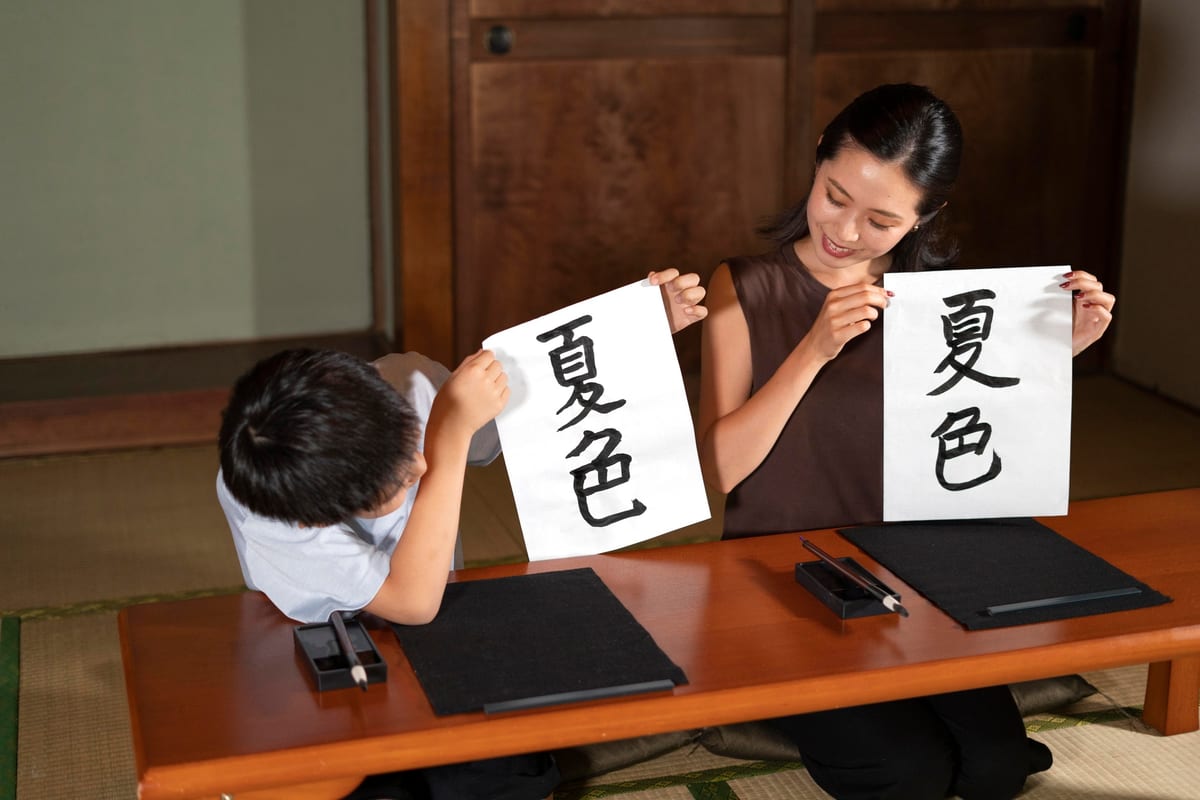
| 35 | Japanese | こんにちは (konnichiwa) | kohn-nee-chee-wah |
| 36 | Korean | 안녕하세요 (annyeonghaseyo) | ahn-nyong-hah-seh-yoh |
| 37 | Mongolian | Сайн байна уу (sain baina uu) | sain BAI-noo |
| 38 | Vietnamese | Xin chào | sin chow |
| 39 | Thai | สวัสดี (sawatdi) | sah-waht-DEE |
| 40 | Khmer | សួស្តី (suostei) | soo-uh-STAY |
| 41 | Burmese | မင်္ဂလာပါ (mingalaba) | min-gah-lah-bah |
| 42 | Indonesian | Halo | HAH-loh |
| 43 | Tagalog | Kumusta | koo-moos-TAH |
Two of these greetings are younger than you might guess. Thai sawatdi was coined in the mid-1930s by Phraya Upakit Silapasan, a scholar at Chulalongkorn University, from a Sanskrit word for well-being. Men usually add khrap after it and women add kha. Burmese mingalaba, roughly “may you be blessed,” is also a relatively modern creation that spread through schools. Explore our origins of everyday language for details.
Tagalog kumusta is really “how are you?” and doubles as hello. Japanese konnichiwa is a daytime greeting, so you will hear different words in the morning and evening. Khmer suostei is the casual hello; the formal greeting is chumreap suor.
Hello in Africa and the Pacific
Some of the warmest greetings on the list live here. Zulu sawubona is often translated as “I see you” (or, more literally, “we see you”). Hawaiian aloha carries the ideas of love, affection, peace and compassion in a single word.
| # | Language | Hello | Pronunciation |
|---|---|---|---|
| 44 | Swahili | Hujambo | hoo-JAHM-boh |
| 45 | Zulu | Sawubona | sah-woo-BOH-nah |
| 46 | Hausa | Sannu | SAHN-noo |
| 47 | Hawaiian | Aloha | ah-LOH-hah |
| 48 | Māori | Kia ora | kee-ah OH-rah |
| 49 | Samoan | Talofa | tah-LOH-fah |
| 50 | Fijian | Bula | MBOO-lah |
- Hujambo is said to one person in Swahili. Visitors often hear the shorter jambo.
- Kia ora literally means “have life” or “be healthy”. In New Zealand it also works as “thanks” and “cheers.”
- Bula is written with a B, but Fijian adds a soft “m” sound in front of it.
Curious about the islands? Our post on little-known facts about the Hawaiian language goes deeper.
What Is World Hello Day?
World Hello Day is observed every year on November 21. It began in 1973, when brothers Brian and Michael McCormack launched it in response to the Yom Kippur War. Their point was simple: conflicts should be settled by talking, not by force. Explore our how languages evolve over time for details.
Taking part is easy. You greet at least ten people during the day. The brothers promoted the idea by mailing 1,360 letters, in seven languages, to government leaders around the world, and the day is now said to be observed by people in 180 countries.
If you want a fun way to celebrate, pick ten greetings from the tables above and use a different one each time. Number 21 on our list is a bonus for history fans.
Where Does the English Word “Hello” Come From?
English speakers have not been saying “hello” for very long. According to the Online Etymology Dictionary, the greeting is first recorded in 1848, although researchers have since found a printed example from 1826. It grew out of older shouts such as “hallo” and “holla,” which people used to grab attention, a bit like calling “hey!” across a field. Explore our professional Spanish translation for details.
The telephone made it famous. As phones spread in the 1880s, callers needed a standard word to open a conversation. Alexander Graham Bell suggested “ahoy,” but “hello” won. So the next time you answer your phone, remember that you could have been saying “ahoy” instead.
Tips for Using a New Greeting Politely
- Match the formality. Use the polite form with elders, officials and people you have just met. Save ciao, ahoj and szia for friends.
- Watch the gesture. Namaste is usually said with the palms pressed together, and a Thai greeting often comes with a similar gesture and a slight bow.
- Mind the time of day. Many languages switch greetings between morning, afternoon and evening.
- Do not worry about a perfect accent. A sincere attempt almost always earns a smile.
Thinking about going beyond hello? Our guide to the easiest languages for English speakers is a good next step.
When a Greeting Is Not Enough: Getting Translation Right
A friendly hello opens the door, but the real work starts after it. Notice how many greetings above change with formality, religion, time of day or the number of people in the room. Those same choices show up in every sentence of a contract, a birth certificate, a medical letter or a marketing message. A word-for-word swap can sound cold, comical or simply wrong.
That is why human translators who know both the language and the culture matter. They pick the right level of politeness, keep names and dates consistent, and make sure your message reads naturally to the person receiving it. If you need help in any of the languages on this list, explore our language translation services. Explore our French language translation services for details.
Frequently Asked Questions
What is the most common way to say hello in the world?
There is no single winner, because it depends on how you count. English “hello” is understood almost everywhere thanks to phones, films and travel. By number of native speakers, Mandarin “nǐ hǎo” and Spanish “hola” are heard by enormous populations every day. The Arabic greeting “as-salamu alaykum” also travels far beyond Arabic-speaking countries, because Muslim communities around the world use it in many different languages.
How do you say hello in Spanish, French and Italian?
In Spanish, say “hola” (OH-lah); the H is silent. In French, say “bonjour” (bohn-ZHOOR), which literally means “good day” and suits almost any daytime situation. In Italian, “ciao” (chow) is the casual hello you use with friends and family, and it also means goodbye. With people you do not know well in Italy, the more formal “buongiorno” is the polite choice.
Which languages use the same word for hello and goodbye?
Quite a few do. Italian “ciao,” Hawaiian “aloha” and Hebrew “shalom” all work when you arrive and when you leave. Korean “annyeong” is used both ways between friends, and Māori “kia ora” can be a greeting or a farewell. In each case, context and tone of voice tell the listener which meaning you intend. Explore our certified Arabic translation for details.
When is World Hello Day and how do you celebrate it?
World Hello Day is on November 21 each year. It was started in 1973 by brothers Brian and Michael McCormack in response to the Yom Kippur War, as a reminder that communication is a better tool than conflict. To take part, you simply greet at least ten people that day. Many schools and offices make it more fun by greeting each other in different languages.
Is it rude to use an informal hello with a stranger?
It can be. In many languages, including French, German, Russian, Korean and Japanese, the casual greeting is reserved for friends, family and people your own age. Using it with an older person, a customer or an official may come across as careless. When in doubt, choose the formal greeting. People will often invite you to switch to the relaxed version once they know you better.
Ready to Say More Than Hello?
Whether you need one document translated or a whole project in several languages, our human translators are happy to help. Chat with us for a quote, or call 1-800-230-7918 to tell us what you need.