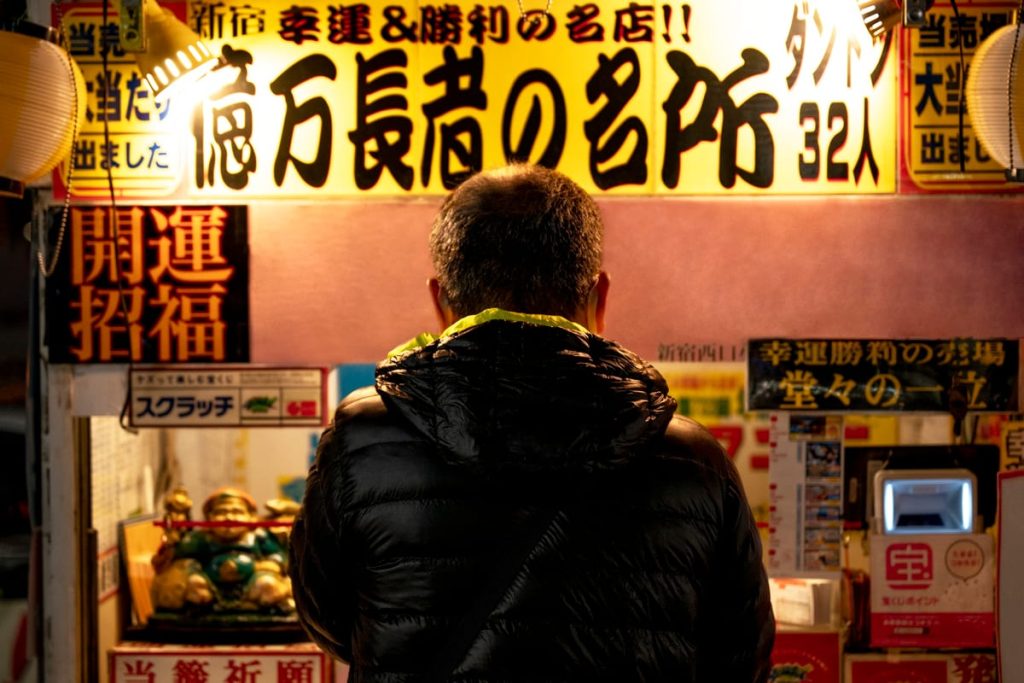

The most common Japanese words in anime are everyday expressions such as arigatō (thank you), sugoi (amazing), kawaii (cute), nani (what), baka (fool) and senpai (a senior at school or work). Most are real, ordinary Japanese, although a few sound far more dramatic on screen than they do in daily life.
Below you will find 40 of them, sorted into four tables with the Japanese script, the romaji, the meaning and the kind of scene where you will hear each one. Along the way we clear up a few myths, including where the word “anime” really comes from. Explore our translation services for details.
Key Takeaways
- Most Japanese words that anime fans pick up are normal daily vocabulary: greetings, reactions and ways of addressing people.
- Name endings such as -san, -kun, -chan and -sama carry social information that English subtitles often cannot show.
- Several popular “facts” are shaky: the French origin of “anime” is disputed, and arigatō does not come from Portuguese.
- Anime speech is often blunter and more theatrical than polite real-world Japanese, so copy it with care.
What Are the Most Common Japanese Words in Anime?
Start with the basics. These ten words show up in almost every series, whatever the genre, because they are the glue of everyday conversation: hello, thanks, sorry, wait.
A quick note on spelling. The line over a vowel (ō) marks a long sound, so arigatō is the same word you may have seen written as “arigatou.”
| # | Japanese | Romaji | Meaning | Where you hear it |
|---|---|---|---|---|
| 1 | おはよう | ohayō | Good morning | Classmates meeting at the school gate. The polite version adds gozaimasu. |
| 2 | こんにちは | konnichiwa | Hello; good afternoon | Daytime greetings. The final は is pronounced “wa,” not “ha.” |
| 3 | ありがとう | arigatō | Thank you | Heartfelt thanks after a rescue or a favor. Arigatō gozaimasu is the polite form. |
| 4 | ごめん | gomen | Sorry; excuse me | Casual apologies between friends. Gomen nasai is a little more formal. |
| 5 | いただきます | itadakimasu | “I receive (this meal)”; thanks for the food | Said with hands together just before anyone picks up chopsticks. |
| 6 | 大丈夫 | daijōbu | All right; okay; unhurt | “Daijōbu?” after someone falls, and “Daijōbu!” from the hero who is clearly not fine. |
| 7 | 何 | nani | What | The shocked “Nani?!” at a plot twist. In real life it is simply the question word. |
| 8 | なるほど | naruhodo | I see; indeed | The detective or strategist working out the villain’s plan. |
| 9 | 待って | matte | Wait! (from matsu, to wait) | Someone running after a friend who is storming off. |
| 10 | 助けて | tasukete | Help! (from tasukeru, to help) | A character in danger calling for rescue. |
Which Reaction Words Do Anime Characters Say Most?
Anime runs on big feelings, so its most quotable vocabulary is emotional: cheering, teasing, encouraging, confessing. These nine words carry a huge share of that work. Explore our language roots behind pop culture for details.
One of them has a surprise inside. The Jisho dictionary entry for sugoi lists “terrible; dreadful” before “amazing; wonderful,” a reminder that the word describes anything extreme, good or bad.
| # | Japanese | Romaji | Meaning | Where you hear it |
|---|---|---|---|---|
| 11 | すごい | sugoi | Amazing; terrific; awfully | Wide-eyed bystanders watching a new power in action. |
| 12 | かわいい | kawaii | Cute; adorable; lovely | Reactions to pets, mascots, outfits and small children. |
| 13 | やった | yatta | Hooray! Yes! (literally “did it”) | Victory moments: a passed exam, a won match, a beaten boss. |
| 14 | 頑張って | ganbatte | Do your best; hang in there (from ganbaru) | Friends cheering from the sidelines before a tournament or a test. |
| 15 | 馬鹿 / バカ | baka | Fool; silly; idiot (informal) | Bickering friends and flustered love interests. It is an insult, so tone matters. |
| 16 | 好き | suki | Fond of; like; favorite | Romance confessions. “Suki desu” is often subtitled “I love you.” |
| 17 | 強い | tsuyoi | Strong; powerful | A fighter sizing up a rival, usually with reluctant respect. |
| 18 | 守る | mamoru | To protect; to defend; to keep (a rule) | The hero’s vow to protect friends, family or a hometown. |
| 19 | 約束 | yakusoku | Promise; appointment | Childhood promises that come back twenty episodes later. |
What Do Senpai, Sensei and the Name Endings Mean?
Japanese builds relationships into how you address people. A suffix after a name tells you who is older, who is closer and who is being respectful, which is why fans notice the moment a character drops one.
Wikipedia’s overview of Japanese honorifics describes -san as the most commonplace of these and notes that a junior is referred to as a kōhai but never addressed that way. Nobody shouts “Kōhai!” down the hallway. Explore our translating creative content accurately for details.
| # | Japanese | Romaji | Meaning | Where you hear it |
|---|---|---|---|---|
| 20 | 先輩 | senpai | Senior at school, work, a dojo or a club | School stories, where a younger student looks up to an older one. |
| 21 | 後輩 | kōhai | Junior; the counterpart of senpai | A senior talking about the newcomer on the team. |
| 22 | 先生 | sensei | Teacher; doctor; master (literally “born earlier”) | Classrooms, clinics and martial arts halls. Also used for manga artists. |
| 23 | さん | -san | Mr.; Ms. (neutral, polite) | After almost any name between people who are not close. |
| 24 | 君 / くん | -kun | Friendly suffix, mostly for boys and younger men | Teachers calling on students; girls addressing male classmates. |
| 25 | ちゃん | -chan | Affectionate suffix: “little” or “dear” | Used for girls, small children, close friends and sweethearts. |
| 26 | 様 | -sama | Highly respectful: “Sir” or “Ma’am” | Servants addressing nobles, shop staff addressing customers, anyone addressing a deity. |
| 27 | 友達 | tomodachi | Friend | The lonely transfer student finally hearing “we’re friends.” |
| 28 | 仲間 | nakama | Companion; comrade; member of the group | Adventure crews and battle teams who have been through a lot together. |
| 29 | 私 | watashi | I; me (the kanji also means “private”) | Polite or formal speech from characters of any gender. |
| 30 | 僕 | boku | I; me (masculine, youthful) | Typically boys and young men, especially gentle or earnest ones. |
Fandom Vocabulary: The Words About Anime Itself
The last ten are the labels fans use to talk about the medium: genres, audiences, character types and those show-stopping moves. Several have been borrowed straight into English, as the glossary of anime and manga on Wikipedia shows.
| # | Japanese | Romaji | Meaning | Where you hear it |
|---|---|---|---|---|
| 31 | アニメ | anime | Animation; short for animēshon (アニメーション) | Everywhere. Outside Japan it usually means Japanese animation specifically. |
| 32 | 漫画 | manga | Comics; a story told in pictures and dialogue | “Have you read the manga?” Many series start on the page. |
| 33 | オタク | otaku | Obsessive fan; roughly “geek” or “nerd” | A proud badge among overseas fans, but less flattering in Japan. |
| 34 | ツンデレ | tsundere | A character who is cold or prickly to the person they secretly like | Romantic comedies, usually seconds before an embarrassed “baka!” |
| 35 | 異世界 | isekai | “Different world” | Stories where someone is transported or reborn into another world. |
| 36 | 少年 | shōnen | Boy; young man | The label for anime and manga aimed at teenage boys. |
| 37 | 少女 | shōjo | Girl; young woman | The label for anime and manga aimed at teenage girls. |
| 38 | 美少年 | bishōnen | “Beautiful boy” | Fan talk about elegant, strikingly pretty male characters. |
| 39 | 変身 | henshin | Transformation | The sparkly sequence where a character changes into a hero form. |
| 40 | 必殺技 | hissatsu waza | Finishing move; ultimate technique | The signature attack a fighter saves for the end of the battle. |
Do Anime Words Mean the Same Thing in Real Life?
Mostly yes, with two cautions: a few popular origin stories are wrong, and anime dialogue is written for drama, not for the office.
Myths worth dropping
- “Anime” comes from French. Unproven. The word is a clipped form of the English loanword animēshon. The etymology section of Wikipedia’s anime article notes that some sources credit the French dessin animé, while others call that a myth born of anime’s popularity in France in the late 1970s and 1980s.
- “Arigatō” comes from Portuguese “obrigado.” No. It grew out of the native adjective arigatai, which is recorded centuries before Portuguese ships reached Japan.
- “Baka” literally means “horse deer.” Only on paper. The kanji 馬鹿 were chosen for their sound, and Wiktionary’s entry for baka describes the true origin of the word as disputed.
Register: who is talking to whom
Japanese changes shape with the relationship between speakers. Friends in a school series use short, plain forms; a real job interview calls for polite endings and careful honorifics. Shouting “Nani?!” at a colleague or calling your manager “baka” will land very differently off screen. Explore our bridging language and cultural gaps for details.
The medium has traveled a long way, too. According to Britannica’s history of anime, the form found wide international popularity around the turn of the 21st century through series such as Pokémon, Sailor Moon and Dragon Ball Z. That is how words like kawaii and senpai ended up in everyday English.
When Anime Japanese Meets Real Translation Work
Subtitles make translation look easy, but every line in the tables above hides a decision. Should -chan stay in the subtitle or disappear? Is “suki” a crush or a declaration of love? Japanese often leaves out the subject of a sentence altogether, so the translator has to know who is speaking, to whom, and how close they are.
The same judgment applies to documents with no dragons in them at all: family registers, diplomas, contracts and business letters. If you need that kind of work, our Japanese translation services are handled by human translators who read for context and formality as well as vocabulary. For more on what makes the language tricky, see why Japanese translation is known to be complex and how localization works in film and TV. Explore our professional Japanese translation services for details.
Frequently Asked Questions
What is the most common Japanese word in anime?
There is no official count, but the words fans notice first are short reactions and forms of address: nani (what), sugoi (amazing), kawaii (cute), baka (fool), arigatō (thank you) and senpai (senior). They are repeated constantly because they fit almost any scene, from comedy to battle, and because they are short enough to catch by ear even when you are reading subtitles.
Can you learn Japanese by watching anime?
Anime is a great way to train your ear, pick up vocabulary and stay motivated, and many learners start there. On its own, though, it will not teach you reading, writing or the polite speech used with strangers, teachers and coworkers. Anime dialogue is also deliberately casual, rough or theatrical. Treat it as fun listening practice alongside a textbook, a class or a tutor, and check how a phrase is really used before you try it on someone.
What does senpai mean in anime?
Senpai (先輩) means a senior: someone who is older or has been at your school, workplace, dojo or club longer than you have. It can be used alone or after a name, as a respectful way to address that person. The opposite is kōhai (後輩), a junior, although people talk about a kōhai and do not usually address someone by that word. In school romances, a younger student hoping to be noticed by a senpai is a favorite storyline. Explore our certified document translation for details.
Is baka a bad word in Japanese?
Baka (馬鹿) means fool, idiot or silly. It is not a swear word, and between close friends or family it can sound teasing or even affectionate, which is how anime often uses it. It is still an insult, though, and it is rude when said seriously or to someone you do not know well. Avoid it with strangers, older people and anyone at work.
Why do anime characters add -san, -kun and -chan to names?
These suffixes are honorifics, and they show the relationship between speakers. San is the neutral, polite default, similar to Mr. or Ms. Kun is friendly and used mostly for boys and younger men. Chan is affectionate and common for girls, small children and close friends. Sama shows deep respect. Using a name with no suffix at all signals real closeness, so when characters drop the honorific it is often a meaningful moment in the story.
Need Japanese Translated by a Human Who Gets the Nuance?
Whether it is a certificate, a contract or a letter from family in Japan, our translators can help you get the meaning and the tone right. Chat with us for a quote, or call 1-800-230-7918 and tell us what you need.